
Delivery
Reminders that ring through silent mode
Your phone has been on silent since the 10am meeting and nobody turned it back on. Every notification since then has fired into a room where it could not be heard. An alarm reminder app is the answer to that specific, extremely common failure.
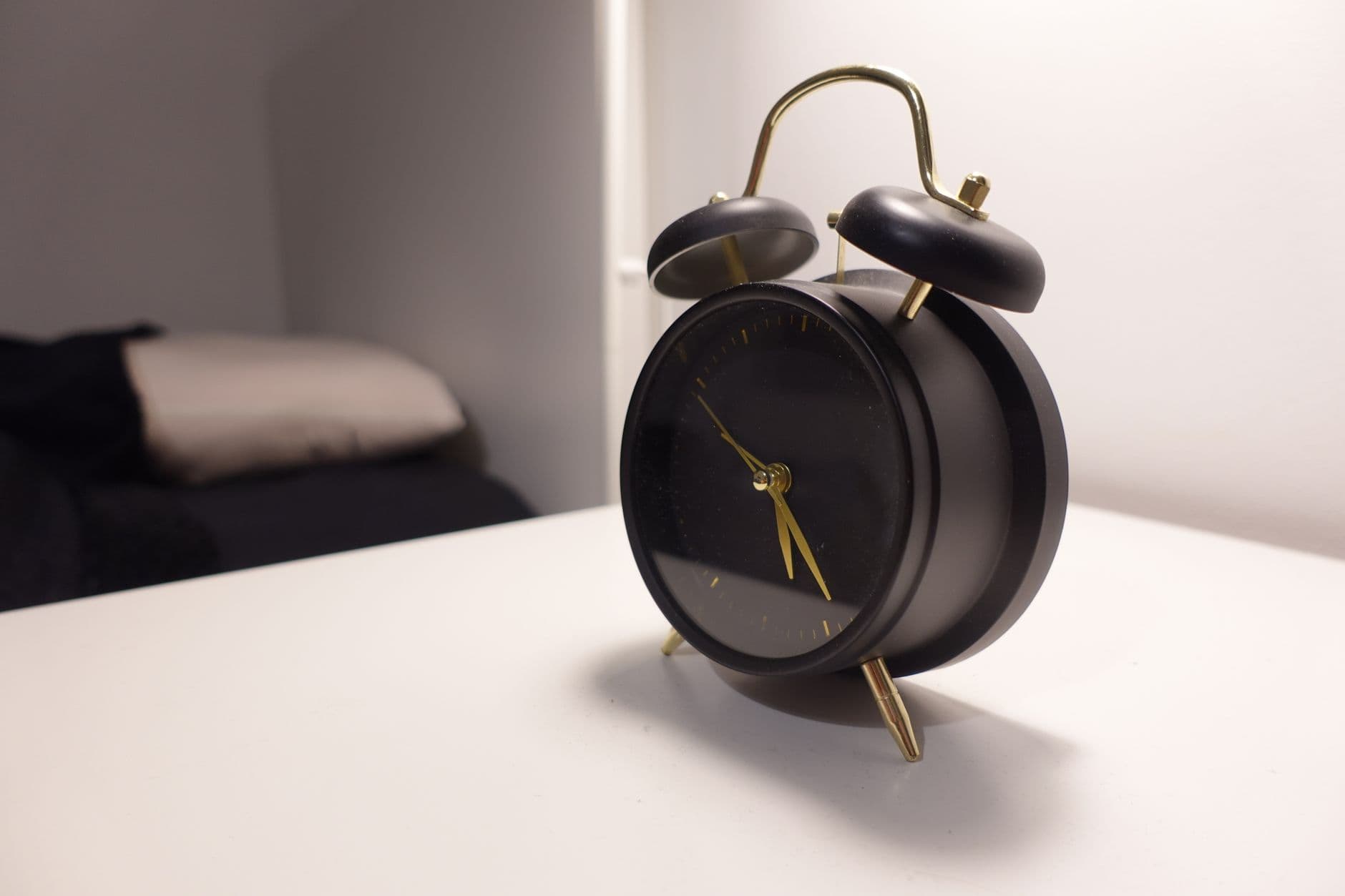
The three ways a quiet reminder disappears
A notification is a suggestion. An alarm is an interruption. These are the moments where that distinction decides whether the thing gets done.
The phone has been silent since this morning
Silenced for a meeting, a ward round, a cinema, a sleeping baby — and then left that way, because nobody remembers to undo it. Everything scheduled for that afternoon fired into nothing.
You were in the next room
A soft notification chime does not carry through a closed door. An alarm tone was designed to get someone out of bed, which means it was designed to be heard from somewhere else in the house.
Everything sounds the same
When a work reminder, a delivery update and a medication reminder share one tone, you stop reacting to the sound and start reacting to nothing. The tone has to carry some meaning of its own.
33 tones, in six groups
Timelee ships 33 alarm tones arranged in six groups: alarm, ringtone, classic, music, nature and animals. That is more choice than most people need, and it exists for one practical reason.
If you give the school-run reminder a bird call and the medication reminder a siren, you learn within a week to identify which reminder is ringing before you have looked at the screen. That is the difference between a sound you react to and a sound you have tuned out.
The tone is stored on the reminder rather than set once for the whole account, so a change to one does not quietly change the rest.
- Six groups, from Smoke Alarm through to Ocean Wave
- Stored per reminder, not as a single global setting
- Pair a distinctive tone with a category so a whole area of life sounds the same
- Silent is also an option, for the reminder you only want to see in the list
An alarm here is still a full reminder
In most apps an alarm is a stripped-down object: a time and a sound. In Timelee it is an ordinary reminder that happens to ring loudly, so everything else still applies to it.
A separate Alarms screen
Alarms are kept apart from your reminder list, with Active, Done and Total counts, and a Stop control while one is ringing. The morning alarm does not clutter the work view.
Repeat on the real days
Everyday, Weekdays or Weekends, or switch on individual days yourself — Tuesday and Friday for the bins, Monday and Thursday for the class.
Snooze on your terms
Choose the snooze length per alarm, from 5 minutes to a day, or set it to Off so the one alarm that must not be pushed back cannot be.
Keep ringing until you act
Turn on the nag setting and the alarm re-rings on an interval rather than once. Useful for anything you habitually acknowledge and then do not do.
Escalate if it is missed
The Important preset rings the alarm and then follows with a full-screen in-app call if you have not acknowledged it. Two attempts, no credits spent.
Filed like everything else
Category, tags, priority and notes all work on an alarm, so it shows up in the same filters as the rest of your week.
What an alarm reminder is genuinely right for
- Anything on a fixed clock time that has a consequence if it slips — a train, a call, a collection
- Medication at a time when your hands are busy and your phone is across the room
- The end of a pomodoro, a workout set, or a rest you will otherwise sit through
- A daily routine you are still building, where the sound is doing the habit-forming work
- The reminder you have already missed twice this month on a notification
Test it once against your own phone's settings
An alarm reminder behaves like an alarm rather than a notification, which is why it gets through where a banner does not. Exactly how your handset treats silent mode, do-not-disturb and focus schedules is decided by the phone, not by Timelee, and Android manufacturers differ. Set a reminder two minutes ahead, put the phone on silent, and watch what happens. One minute of testing tells you more than any claim on a web page.
Why not just make notifications louder
Because volume was never the real problem. A notification is designed to be interruptible: it is a message that arrives, waits briefly, and then joins a list. The operating system treats it as something you might want, and a whole layer of batching and summarising exists to keep it out of your way.
An alarm sits in a different category. It is designed to be dealt with rather than read. It takes the screen, it sounds, and it stays until somebody does something. That is a worse experience for the ninety per cent of notifications that are advertising, and a better one for the two or three things a day you actually committed to.
The useful move is not to make everything an alarm. It is to be able to choose, reminder by reminder, which of the two a given thing deserves — and to have a rung above the alarm for when even that is not enough.
You do not need a louder phone. You need a smaller number of things that are allowed to be loud.
Delivery is set per reminder, so an alarm stays meaningful instead of becoming the sound your household has learned to ignore.
Give the next unmissable thing a real alarm
Set it, pick a tone you will recognise from another room, and test it once on silent. Everything on this page is part of the free core.
Keep reading
- How Timelee reaches youAlarm, in-app call, real phone call — and when to use which.
- Snooze settingsDecide how long, how often, or not at all.
- In-app call remindersThe rung above an alarm, still free.
- How to stop snoozing your alarmWhy the nine-minute habit forms, and what to change.
- Best alarm appsWhat to look for, and who each type suits.