
Use case
Reminders for people whose day gets hijacked
Your phone is on silent for the hours when you can least afford to miss something. The ward round runs from 08:30, the handset stays in a pocket, and the three hours in which the callback to the lab was supposed to happen are the three hours nothing could reach you.
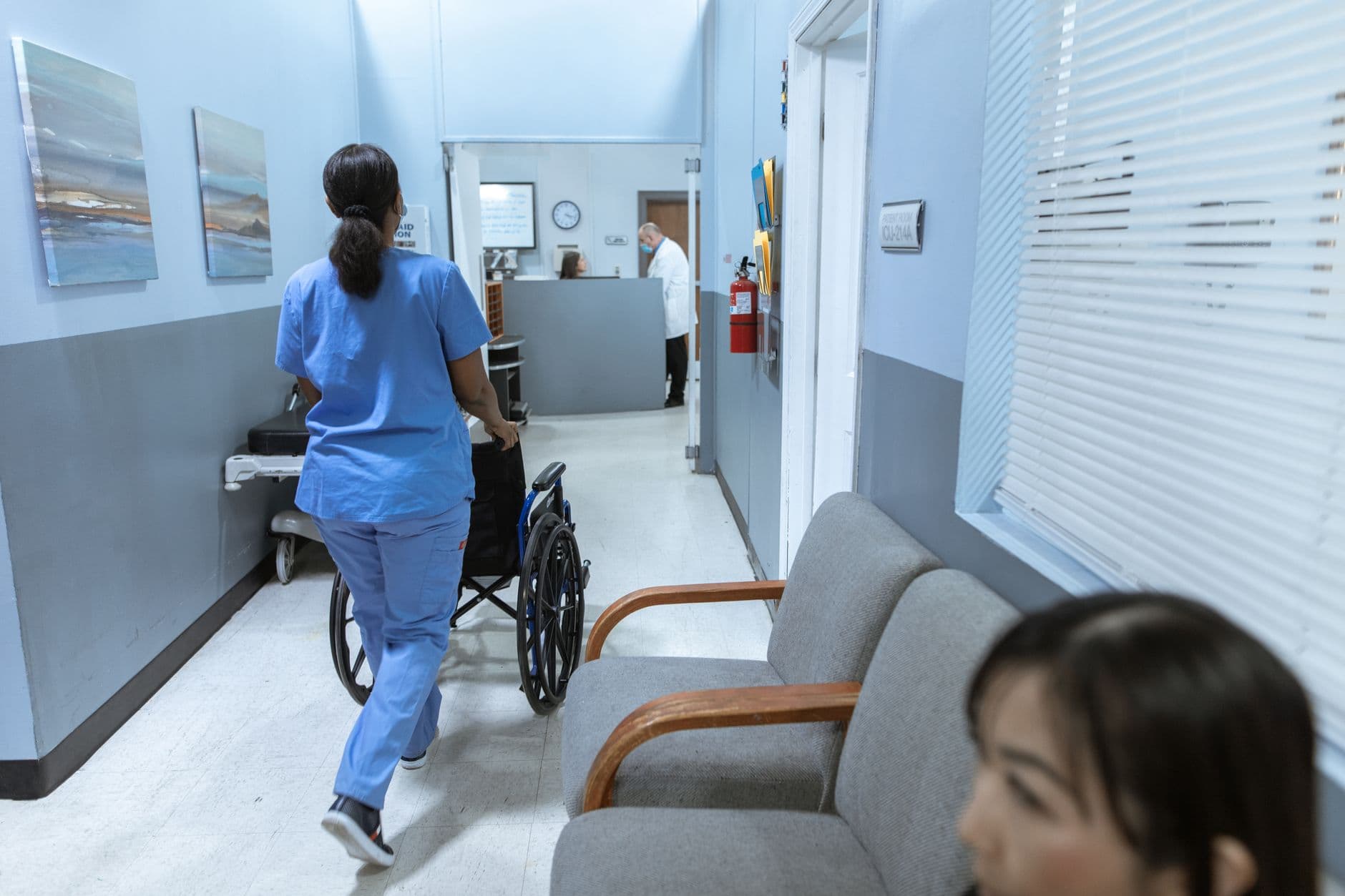
Where a clinical day loses things
Reminders for doctors fail in a particular way. Not because the day is busy — because the day is interruptible by design, and the interruptions always win.
Silent from 08:30 to noon
The handset is silenced for the round, for the clinic, for theatre. Every alert that fired in that window fired into an empty room, and nothing retries it afterwards.
The task that arrived mid-task
Somebody stops you in a corridor and asks you to chase a result. You have three seconds and no free hands, and by the next bay it is gone.
The callback with a window
The lab takes calls until 16:00. You are free at 15:40 and you do not think of it until 17:10, which means it moves to tomorrow and somebody waits a day.
The non-clinical admin
Appraisal, revalidation, the rota swap you agreed to, the indemnity renewal. None of it is urgent on any given day, and all of it is expensive to forget.
Three ways in, chosen per reminder
Nothing escalates unless you tell it to, and escalation is a response to silence. Acknowledge the first alert and nothing else is sent.
- notif_type 1
Regular
A full-screen alarm at the minute you set. Correct for most of the list: the stock check, the stretch, the reminder to eat something before the afternoon clinic.
- notif_type 2
App Call
The phone rings full screen, like an incoming call, inside Timelee. You look at a ringing screen before you dismiss it. It is the app's recommended default and it costs nothing.
- notif_type 3Recommended
Important
The alarm first, then the app call if you do not acknowledge it. Two attempts, no credits spent. This is the right setting for most things with a window.
- notif_type 5Premium · uses credits
Critical
Described in the app as: alarm, then in-app call, then a phone call 10 min later if missed. The phone call is placed by Timelee's servers on the phone network, so it rings while the handset is locked and the app is closed.
Why the last rung is a phone call and not a louder notification
An alarm and an in-app call are still your phone talking to you, and a phone in a scrub pocket on silent has already decided not to talk to you. Volume is not the variable.
A phone call comes from outside the handset. Timelee's servers dial a number you have verified, over the phone network rather than over data. It rings when the screen is locked, when the app has been closed for a week, and when you are at a desk with the handset in a coat on the back of a door. That is the whole reason the rung exists.
It also means the reminder can reach a number that is not yours. A number has to be verified with a one-time code before Timelee will call it, which is what stops the feature being pointed at anyone who did not agree to it.
The eight things worth putting in on day one
- The callbacks with a closing window — labs, radiology, a specialist who takes calls between fixed hours
- Results you have asked for and need to chase if they have not landed by a certain time
- The follow-up you promised a patient's family you would make, with the time you promised it for
- Prescribing and audit admin that has a date but no day-to-day pressure
- Rota swaps you have agreed to verbally and not yet recorded anywhere
- Appraisal, revalidation and indemnity renewal, on a yearly repeat with a five-hour pre-alarm
- Teaching and supervision commitments, repeating on the specific weekdays they fall on
- The two or three things this week that genuinely cannot slip, on Critical
Handing a task to someone and knowing they took it
A message in a group chat is sent, not accepted. You have no way to tell the difference between somebody who has taken the job and somebody who scrolled past it while walking.
A shared reminder in Timelee arrives on a colleague's phone and they accept or decline it. You see which — pending, accepted, declined — without chasing them for an acknowledgement.
For something that cannot wait for an app, point a Phone Call Only reminder at their verified number instead. They do not need Timelee installed for a phone to ring.
- Accepted and declined are recorded, so assigned is not the same as acknowledged
- Completed items go to History, which is a plain record of what was done and when
- A call reminder can carry the number, so the prompt arrives with the thing you need to dial

Timelee is a personal reminder app, not a clinical system
It is not a patient record, a prescribing tool or a medical device, and it should not hold clinical information that belongs in your organisation's systems. Timelee holds no SOC 2, HIPAA or ISO 27001 certification and we will not display badges we have not earned. What we can describe is the actual practice: Google sign-in with no Timelee password, encrypted transport, object storage for attachments, one-time-code verification before any number can be called, and no sale of your data. Follow your employer's information governance rules about what may go into any third-party app.
Escalation is a response to silence, not a setting that makes everything louder.
If you acknowledge the alarm, no app call follows and no phone call is placed. The loud channels stay meaningful because they are used two or three times a week, not forty.
Start with the callbacks that have a closing time
They are the ones where a missed alert costs somebody else a day. Set two of them on Important this week and see whether the second rung is doing any work.
Keep reading
- Phone call remindersA call that reaches a handset on silent in a pocket.
- Reminders for shift workersRepeats that follow the rota, not the calendar.
- Shared remindersAssigned and acknowledged are not the same thing.
- Reminder prioritiesFirst, Then and Later instead of a flat list.
- Call remindersThe prompt arrives with the number attached.
- Appointments booked months aheadThe dentist, the MOT, the check-up you booked in March.