
Roundup
Alarm apps, and when a reminder app is the better answer
Most people searching for a louder alarm are solving one of two different problems, and the apps that solve them are not the same apps. Ten minutes deciding which problem you have will save you three installs.
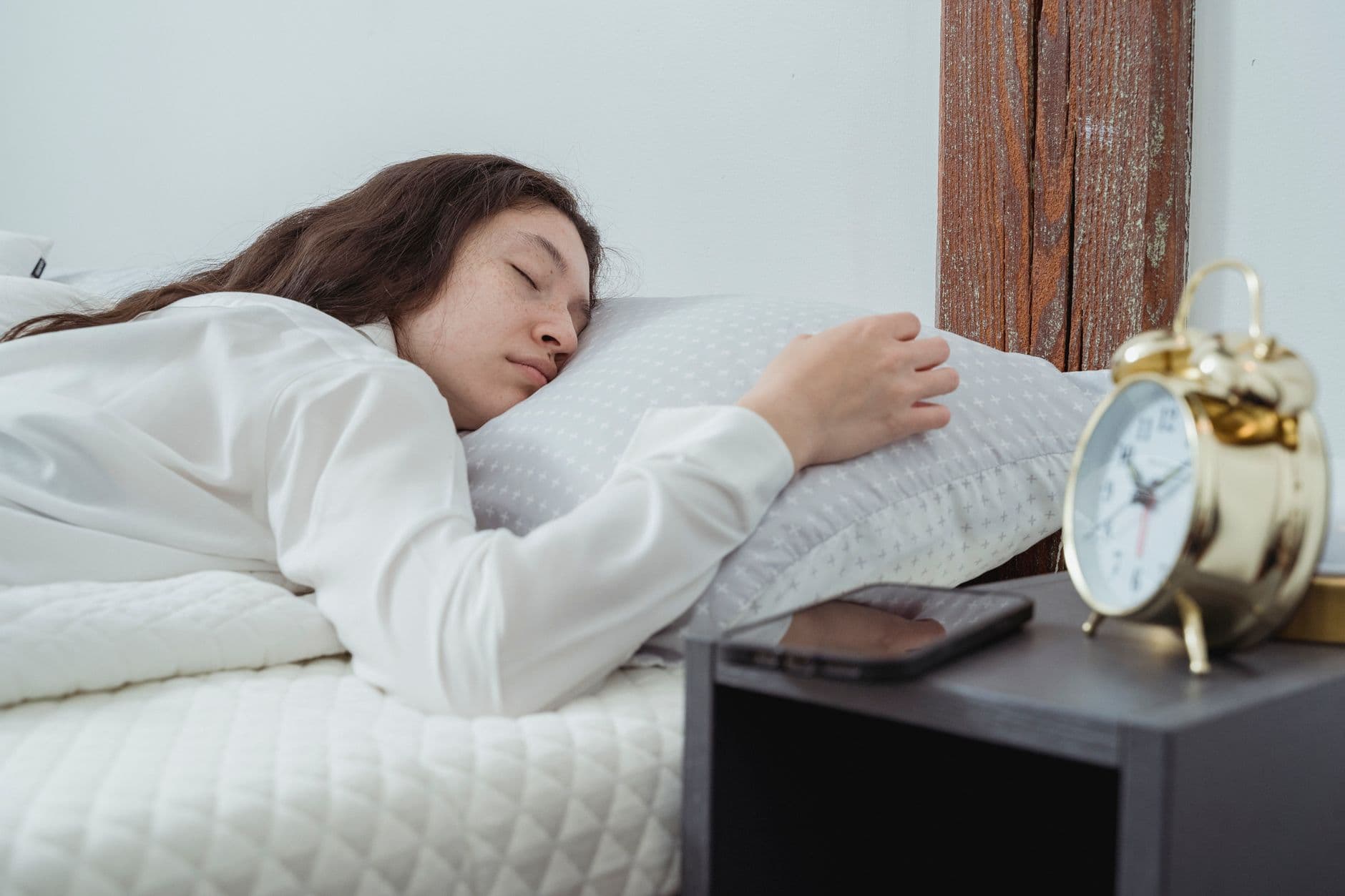
Two problems that look like one
The first problem is waking up. You set the alarm, it rang, and you switched it off with no memory of doing so — or you snoozed six times and lost an hour. This is behavioural. It is not about the schedule, it is about what happens in the ninety seconds after the noise starts while you are barely conscious.
The second problem is everything after the morning. The 11am call, the 3pm collection, the 6pm dose. Those are not alarms in the clock sense. They are a schedule, and they fail for completely different reasons: the phone was silent, the notification was buried, or you were not holding the device at all.
There is no ranking on this page and no scores. There is a description of what each kind of app is for, so you can pick the one aimed at your problem.
Which of these is you
Be honest about the last time it went wrong, not about the version of you that sets good alarms.
You dismiss the alarm in your sleep
No memory of it. The only thing that reliably helps is making dismissal require enough thought to wake you, which is what dedicated wake-up apps are designed around. A reminder app will not fix this.
You snooze until the morning is gone
You are awake enough to decide, and you decide badly. What helps is removing or limiting snooze and putting the phone out of arm's reach, in whichever app you already use.
You hear it and it is not loud enough to matter
The alarm sounds like every other sound the phone makes. A different tone and a full-screen alert usually fixes this, and so does having fewer things allowed to make noise.
Your problem is 3pm, not 7am
You wake fine. What you miss is the middle of the day, on a phone that was silenced for a meeting or left in another room. This is a delivery problem and a wake-up app is the wrong shape of tool.
The families of app, and who each suits
Your phone's built-in clock. Free, already there, and genuinely adequate for most people. It rings loudly, it repeats on chosen days, and it does not need managing. If the last time you missed an alarm was because you set it for pm instead of am, this is your answer and nothing else on this page will help.
Dedicated wake-up apps, of which Alarmy is the best known. These put something between you and the off button so that switching it off means being awake. This suits people whose failure happens while they are asleep, which is a real and specific condition that no general app addresses. If that is you, install one of these and stop reading.
Sleep and routine apps. These treat the alarm as part of a wider sleep pattern, waking you in a lighter phase or building a wind-down. They suit people whose mornings are hard because their nights are, and who want to change the pattern rather than the noise.
Reminder apps with a real alarm channel, including Timelee. These are not built for the morning. They are built so that any reminder, at any hour, can behave like an alarm instead of a notification, and so that a few of them can go further than an alarm can. They suit people whose difficulty is spread across the day.
Three things to change before installing anything
These work in whatever app you already have, and they solve a surprising share of cases for free.
Move the phone out of reach
Most of the snooze problem is that the off button is within arm's length of a sleeping person. Across the room is a different decision entirely, and it costs nothing to test.
Change the tone to something you do not hear all day
An alarm that sounds like a message notification gets processed like one. Pick a sound with no other meaning attached to it, and change it again when you stop noticing it.
Cut the number of things allowed to make noise
An alarm competes for attention with everything else your phone is permitted to interrupt you with. Silencing the rest makes the one thing that matters audible again.
What to look for, whichever you pick
- It rings full screen rather than as a banner you can clear without reading
- It behaves like an alarm on your handset with silent and focus modes switched on — test this once, two minutes ahead
- Snooze can be limited or switched off entirely, rather than being infinite by default
- It repeats on the specific days you need, not just every day or once
- It keeps working after a battery optimiser has been left to its own devices for a week
Where Timelee fits here
Timelee is not a wake-up app and does not belong at the top of an alarm roundup. It has no puzzle or task between you and the off button. What it has is an alarm that behaves like an alarm — full screen, with a tone from 33 in six groups — and two channels above it that an alarm clock does not have: a full-screen call inside the app, and a real phone call placed by Timelee's servers to a verified number. That last one is the reason people use it for an early shift or a relative's medication, because it reaches somebody who has no app installed. For getting yourself out of bed, a dedicated wake-up app is the better tool.
About the descriptions on this page
Alarm and sleep apps change constantly, and nothing here quotes a price, a feature list or a limit for any of them. These are category-level descriptions written at the time of publication. Check the vendor's own site before you decide.
Common questions
Will any of these ring through silent mode?
An alarm generally behaves like an alarm rather than a notification, and a real phone call arrives on the phone network. How your particular handset treats silent and focus modes depends on your own settings, so test it once with an alarm set two minutes ahead rather than trusting any app's marketing.
Can a reminder app wake me up?
Yes, if its alarm is a real alarm rather than a notification. Timelee's is: full screen, with a tone you choose, repeating on the days you pick. What it will not do is make dismissal difficult, which is the specific thing wake-up apps exist for.
Is a phone call a better alarm than an alarm?
For being reached, yes, because it does not depend on the handset's alert settings or on the app running. For waking a deep sleeper it is not automatically better, and it costs a credit, so it is worth using for the hour you cannot miss rather than for every morning.
How do I stop snoozing?
Reduce how easy it is. Put the phone out of reach, turn snooze off where the app allows it, and set the alarm for the time you actually intend to get up rather than forty minutes earlier. The extra forty minutes teaches you that the first alarm does not mean anything.
Can Timelee wake somebody else up?
It can ring their phone. A phone call reminder dials a number the owner has verified with a one-time code, and nothing needs installing at their end. It is a call, not an alarm, so whether it wakes them depends on their own phone settings.
If the mornings are fine, look at the afternoons
Set one daytime reminder to a channel that survives a silent phone and see whether it changes anything.